I have been working in political campaigns since I was in high school. That means I have been doing this for more than forty years.
I started with index cards in shoeboxes. We wrote down names, phone numbers, precincts, volunteer assignments, and commitments by hand. We built lists one person at a time and tried not to lose the shoebox. Today, we have voter files in the cloud, digital advertising, relational-organizing platforms, streaming television, artificial intelligence, and more data than any campaign could possibly use.
But after all those years, Amy Pritchard and I have come to believe something that may sound counterintuitive: The basic organizing skills I learned in the shoebox era are more important in the digital world — not less.
Technology can help us find people, reach people, and manage information. It cannot make someone trust you. It cannot turn a supporter into a volunteer, a volunteer into a leader, or a first-time organizer into someone capable of managing an entire state.
Technology is infrastructure. It is not leadership.
My own apprenticeship
I worked for AFSCME. I worked on several presidential campaigns. At one point, I was the Campaign Director of the Democratic National Committee. I started Project 500, where I wrote or edited a great deal of the campaign-training material that was later adapted and used throughout the Democratic Party.
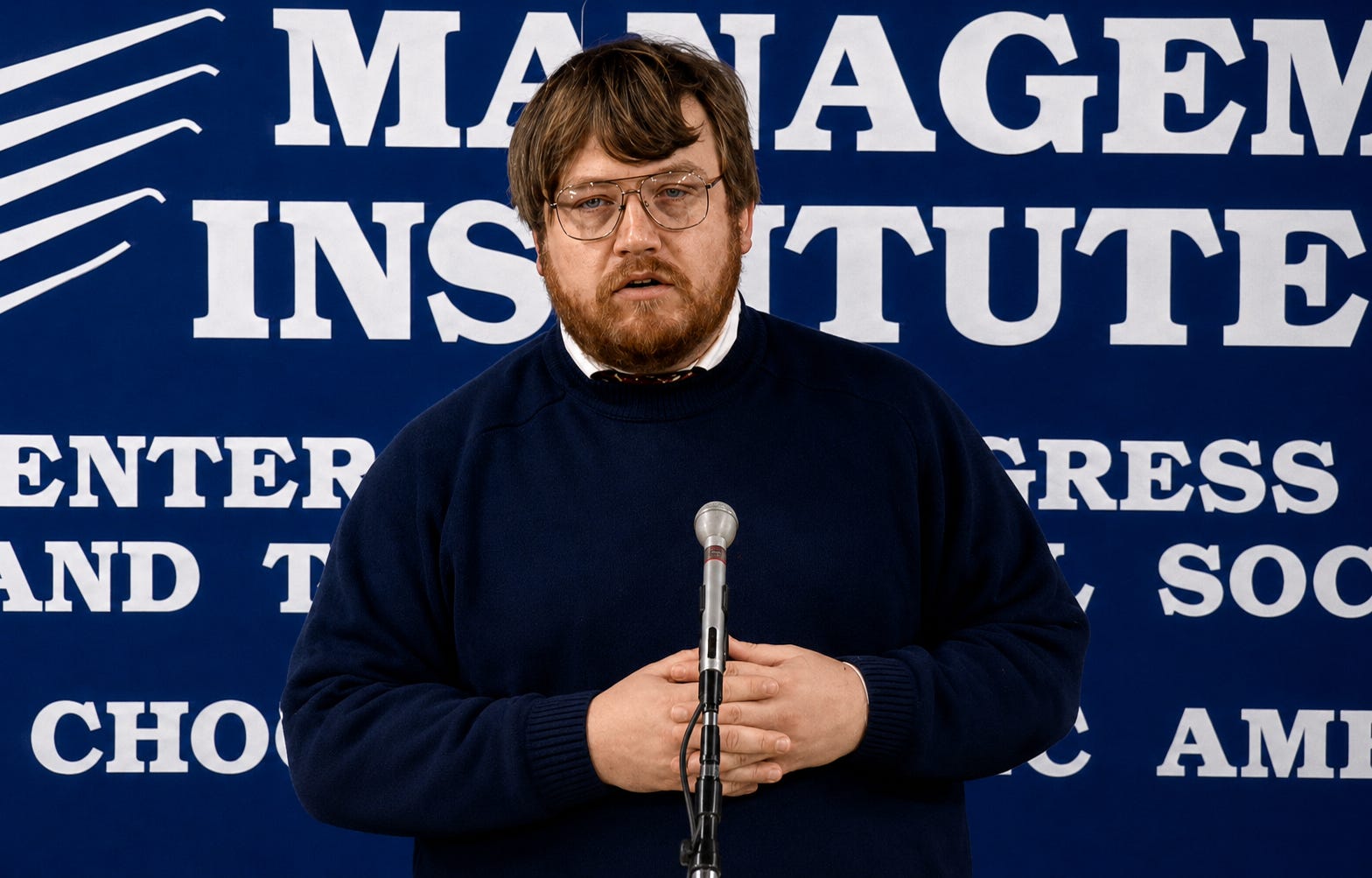
I taught at the Campaign Management Institute at American University. I also trained people through EMILY's List, Participation 2000, Wellstone Action, and other organizations. I was one of the founders of the Ballot Initiative Strategy Center.
For most of my professional life, I have made media for progressive candidates and issue campaigns. More recently, I have been pushing campaigns to move away from antiquated media strategies — especially the assumption that the same old television buy will reach the same mass audience it reached twenty or thirty years ago.
I mention all of this not because anyone needs another recitation of my résumé. I mention it because I have spent most of my adult life watching people enter campaigns, learn the craft, take on more responsibility, and eventually teach the next generation.
That was how political leadership was built. You learned from people who had done the work. You were given real responsibility. You made mistakes and learned from them. Then someone asked you to take on more. That was the apprenticeship, and that apprenticeship has been badly weakened.
I'm proud to be partnering with Amy Pritchard
I'm excited to be working with Amy Pritchard because she has spent years building GAIN Power and helping democracy professionals get the training, mentoring, and placements they need to grow into leaders. She is one of the best campaign professionals in politics.
Tens of thousands have already been placed and trained by Amy. She understands that we do not just need more people for the next campaign — we need to rebuild the leadership ladder so talented organizers can make this work a career and eventually train the generation behind them.
What Democracy University should become
We need Democracy University to rebuild both skills and the leadership ladder. This shouldn't just be another collection of webinars, nor should it simply be a place where someone learns how to operate campaign software, read a poll, or complete a voter-contact goal. Those skills matter, but they are not the same as learning how to organize, manage, or lead.
Democracy University will offer basic skills training for people entering campaigns and activism for the first time. It should teach the enduring fundamentals: how to hold a one-on-one conversation, how to listen, how to make an ask, how to identify a natural leader, how to recruit volunteers, how to run a meeting, how to build a team, how to manage conflict, how to follow up, and how to develop someone who can eventually replace you.
But Democracy University will also feature advanced seminars for people at every level — including senior staff. People who have been doing this for decades still have things to learn. We need to create opportunities for experienced campaign managers, organizing directors, communications professionals, pollsters, media consultants, digital strategists, labor organizers, and movement leaders to teach one another.
We want Democracy University to be a place where those conversations happen. Indivisible, the No Kings mobilizations, MomsRising, Run for Something, the National Democratic Training Committee, Arena, re:power, Red Wine & Blue, and many others are already training people, developing leaders, and learning what works in real communities. Democracy University will build on that work, not compete with it.
We are not starting from scratch — and we should not pretend we are
There is too much hard-earned knowledge locked inside individual campaigns and organizations, forcing each new generation to relearn the same lessons.
Teach the new tools without forgetting the craft
We also need to teach the skills that campaigns did not need twenty years ago. Relational organizing is one of them.
Real relational organizing is not asking someone to upload their contacts and send everybody the same campaign-written text. It begins with trust. Who do you genuinely know? Who trusts you on this issue? Why would that person listen to you? What should you ask them — not merely tell them? The goal is not simply to record another completed contact. The goal is to create a person who can credibly reach voters the campaign itself cannot reach.
Field, digital, communications, and coalitions cannot continue operating as separate worlds. Modern organizing includes the movement of information through human networks.
AI and the firehose of deception
Artificial intelligence must also become part of basic campaign training. Organizers and managers need to understand synthetic audio and video, voice cloning, automated accounts, phishing, data security, and the difference between a confident AI answer and a verified fact.
We are already operating against a massive, twenty-four-hour right-wing organic communications network. It moves through television, radio, podcasts, YouTube, social platforms, creators, community groups, and private message chains. It does not distribute a single lie. It moves a firehose of deception.
By 2028, AI will make that firehose faster, cheaper, and more personalized. Our answer cannot simply be a better fact-checking page that few voters ever see. We need an ethical and effective AI strategy, and we need organizers embedded in real communities who know what people are hearing, know whom those people trust, and can move accurate information through human relationships.
AI can manufacture a voice. It can manufacture a video. It can manufacture the appearance of public opinion. What it cannot instantly manufacture is history, accountability, and a real relationship between two people.
That is why the old organizing skills may be our best defense against the newest political technology.
Rebuild the leadership ladder
Democracy University also needs to address the larger leadership-development problem. We are working with GAIN Power and other partners to identify young people who want to make politics and activism a career — and then help them remain in the work long enough to become good at it.
A good organizer develops volunteers. A good manager develops organizers. A good organizing director develops future managers. We should evaluate leaders partly by the leaders they produce.
And we should stop laying talented people off after every election, losing track of them, and trying to reconstruct the entire workforce from a database two years later. The strongest organizers of 2026 should become the managers and mentors of 2027. We cannot train the 2028 organizers in 2028.
The stakes
We are approaching what may be the most pivotal national election in our country's history. We will need tens of thousands of organizers, managers, trainers, communicators, and local leaders. We cannot produce them all three months before Election Day, and we cannot give them a laptop, a voter file, and a quota and pretend we have built an organization.
We need to begin now.
Democracy University will be a place where emerging organizers receive real skills and real experience, where experienced organizers learn to manage, where managers learn to develop other leaders, and where people from campaigns, unions, social movements, and community organizations learn from one another.
We need your help
This is not a finished idea. It is the beginning of one.
So what do you think? What do you wish someone had taught you before your first campaign? What should Democracy University offer? What do new organizers need to learn? What do managers need to learn? What do senior staff need to learn from one another?
Are you interested in training? Would you be willing to teach a session, convene a discussion, or mentor an emerging organizer? Do you know young people we should help place and develop? And yes — would you be willing to send some money to help us build it?
Real training costs money. Mentoring takes time. Paid apprenticeships, placements, and year-round leadership development require resources.
Please leave your ideas below. Send us criticism, curriculum suggestions, names of potential trainers, and names of people we should be training. And let's keep talking.
We do not simply need more campaign workers. We need to build the organizers, managers, and leaders who can build the next generation.